
Robert Plant is one of the most legendary and popular voices in rock music history. His amazing and commending career spans over many decades and his musical legacy still echoes in many vibrant ways to this day. During the late 1960s and throughout the 1970s he was one of the best, if not the best according to some, voice in rock music as he ventured through these two decades with Led Zeppelin, a band he had joined in 1968, being recommended by Terry Reid to virtuoso guitarist James ‘Jimmy’ Patrick Page. Prior to joining the legendary British classic rock, hard rock, blues rock, folk rock, and heavy metal supergroup Led Zeppelin, Robert Plant already played in other bands, more specifically Band of Joy and Obs-Tweedle or Hobbstweedle. Afterwards, between 1968 and 1980, Robert Plant was the lead singer and frontman of one of the most successful bands in rock music history, Led Zeppelin, with which he wrote history. He is therefore one of the best and most influential singer-songwriters in the history of rock music and one of the most amazing artists of both the 20th and 21st centuries.
With Led Zeppelin, Robert Plant released the following studio albums:
- Led Zeppelin I (1969)
- Led Zeppelin II (1969)
- Led Zeppelin III (1970)
- Led Zeppelin IV, Untitled, Four Symbols, Zoso, or Runes (1971)
- Houses of the Holy (1973)
- Physical Graffiti (1975)
- Presence (1976)
- In Through the Out Door (1979)
- Coda (1982)
After the tragic death of drummer John Bonham (with whom Robert Plant had played in bands before joining Led Zeppelin), he embarked on a very successful and impressive solo career. Robert Plant’s solo studio albums are the following ones (listed in the chronological order of their release):
- Pictures at Eleven (1982)
- The Principle of Moments (1983)
- Shaken ‘n’ Stirred (1985)
- Now and Zen (1988)
- Manic Nirvana (1990)
- Fate of Nations (1993)
- Dreamland (with the Strange Sensation) (2002)
- Mighty ReArranger (with the Strange Sensation) (2005)
- Band of Joy (with the Band of Joy) (2010; a great solo studio album by Robert Plant with which I grew up, I initially started listening to this album back in 2010 when I was only 13)
- Lullaby and… The Ceaseless Roar (with the Sensational Space Shifters) (2014)
- Carry Fire (with the Sensational Space Shifters) (2017)
- Saving Grace (with Suzi Dian) (2025)
In addition to the aforementioned or above listed solo studio albums, Robert Plant also released three collaborative studio albums as follows:
- Walking into Clarksdale (with Jimmy Page as Page and Plant) (1998)
- Raising Sand (2007)
- Raise the Roof (2021)
Personal life
Robert Plant left home when he was only 16. He initially studied to become an account but subsequently switched to music, thus paving the road for a long, adventurous, legendary, and fantastic musical career both with and beyond Led Zeppelin. He holds the conviction that we must live in harmony with nature, not against it. He is a kind-hearted gentleman with a beautiful romantic heart and generous philanthropist who is well-known for his charitable work for many causes throughout the years. He is a big fan of J. R. R. Tolkien, Welsh culture and history, and American blues musicians (just like his great Led Zeppelin bandmate, virtuoso guitarist Jimmy Page, affectionately known as Pagey). He is alternatively known under a series of nicknames, namely The Golden God, Bobby, The Hunter, Planty, or Percy.
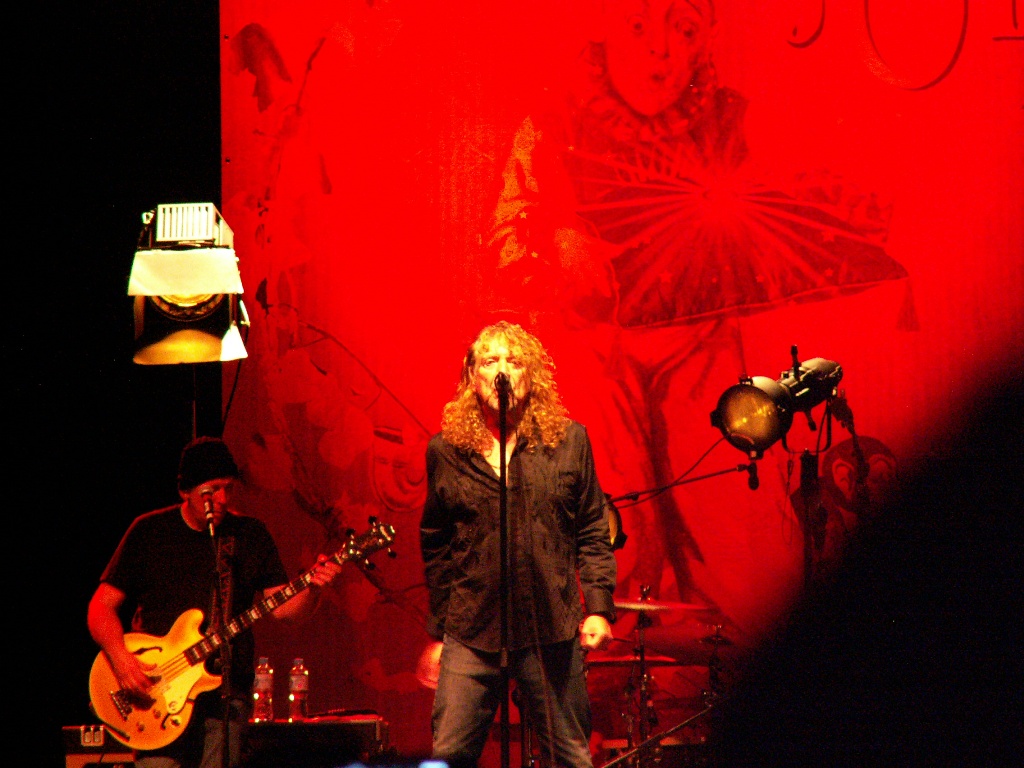
Robert Plant performing live in Warsaw, Poland in 2011. Image source: Wikimedia Commons
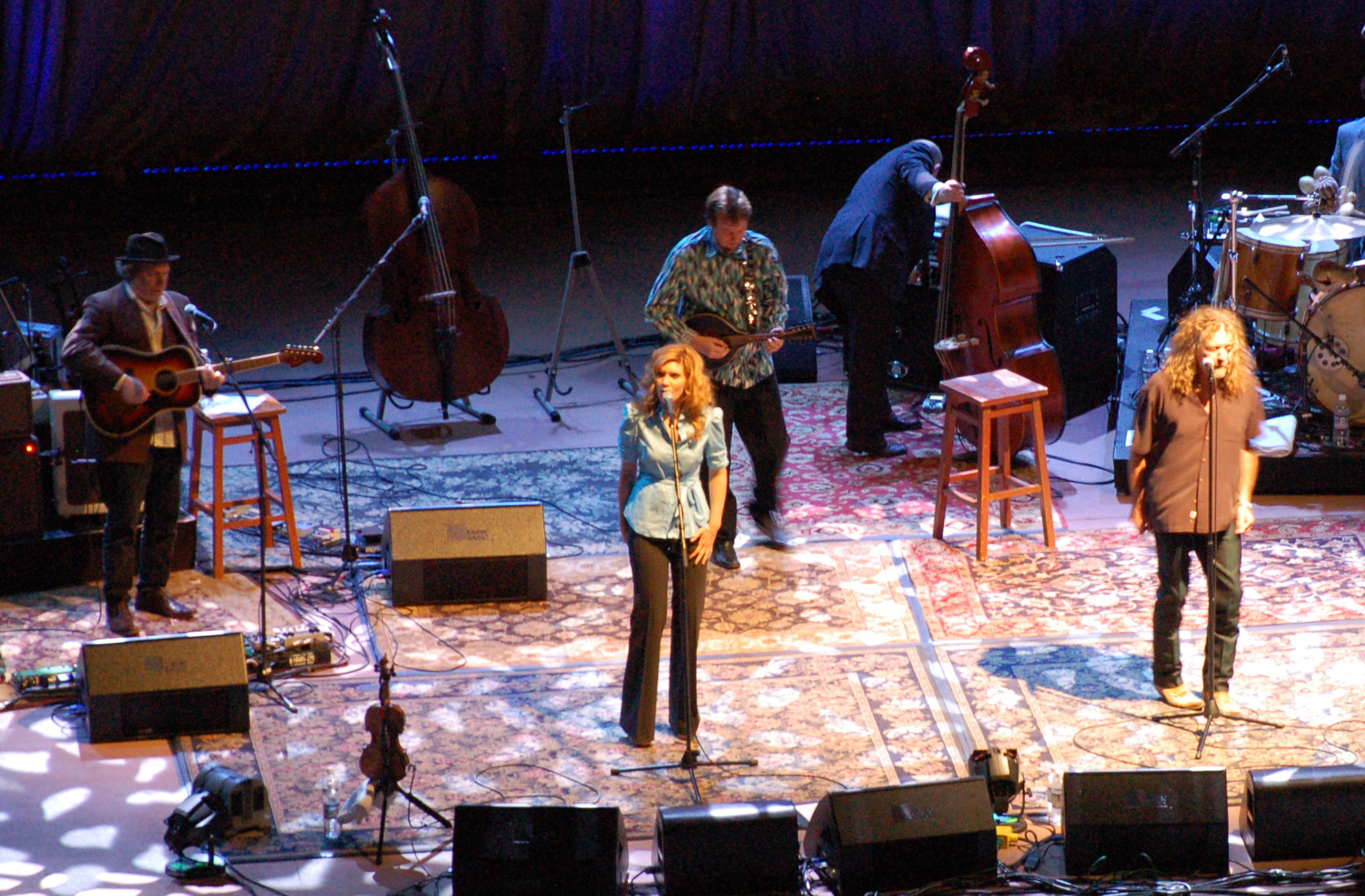
Robert Plant and bluegrass artist Alison Krauss performing the classic Led Zeppelin song The Battle of Evermore (from Led Zeppelin IV or the Untitled album or Runes which was released in 1971) at Red Rocks Amphitheatre in Denver, Colorado, United States of America (USA). Image source: Wikimedia Commons
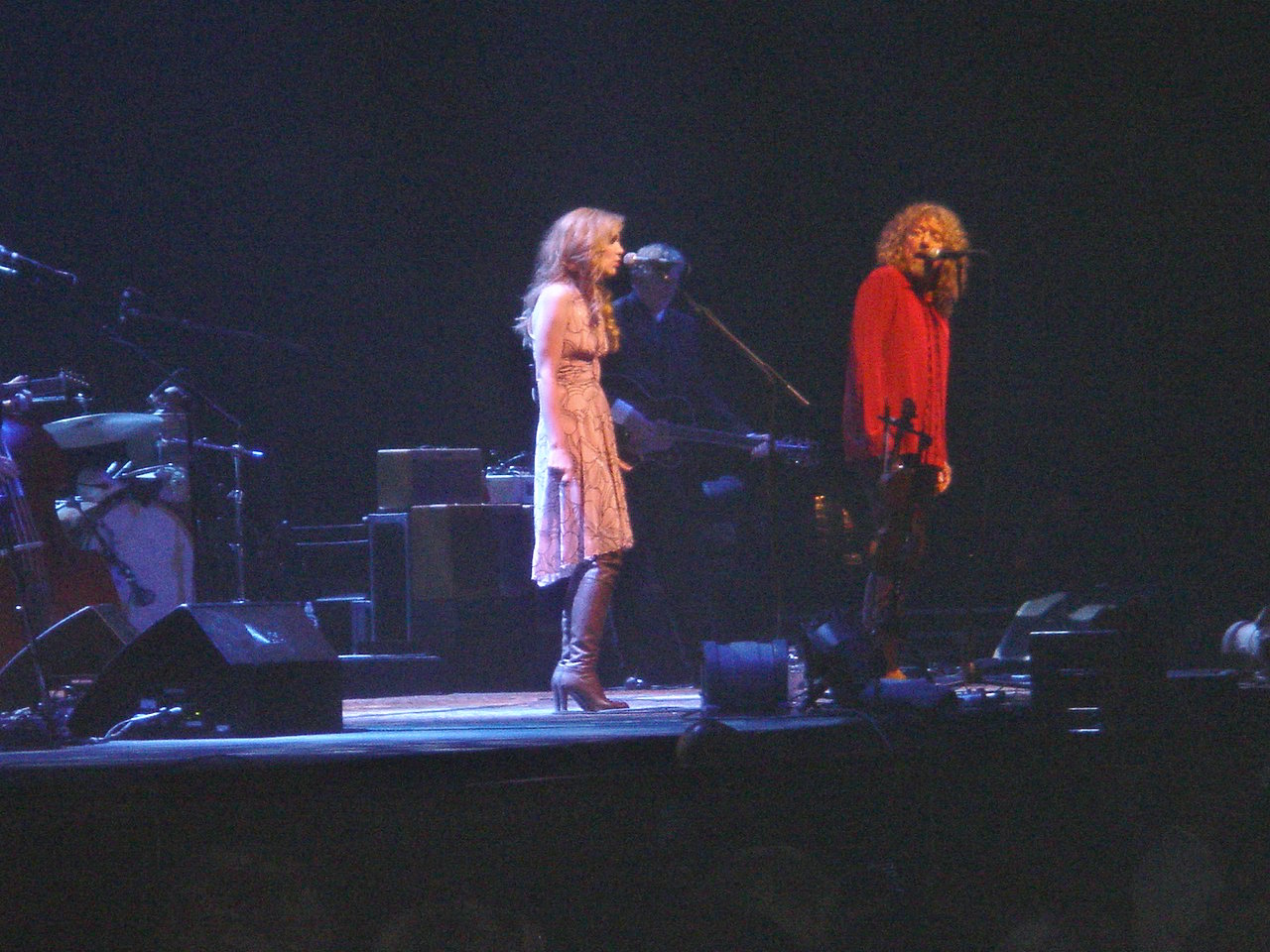
Robert Plant and Alison Krauss performing live together at Birmingham’s NIA, with guitarist T-Bone Burnett in the background. Image source: Wikimedia Commons
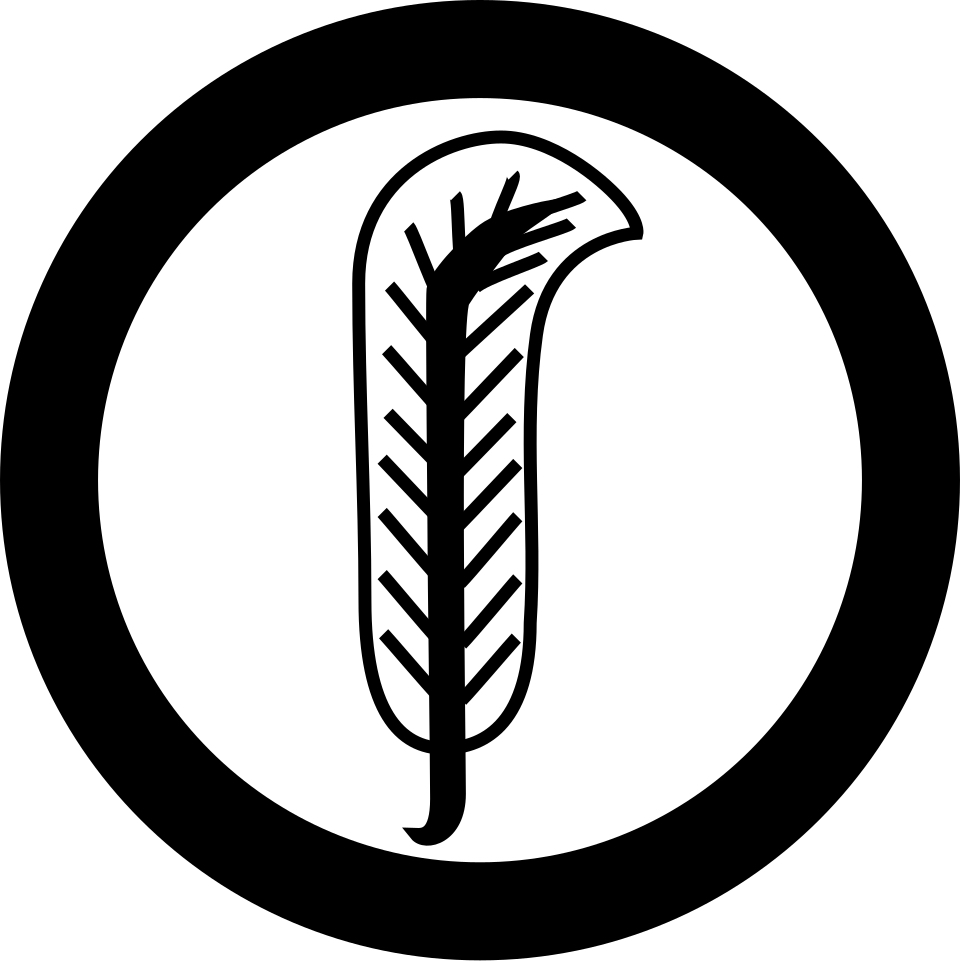
Robert Plant’s symbol in Led Zeppelin is the sacred ostrich feather of Ma’at, an ancient Egypt goddess of truth and justice. This symbol was taken from James Churchward’s book entitled The Sacred Symbols of Mu (which was published in 1933), about an allegedly lost continent called Mu which sank in the Pacific Ocean after a series of cataclysms many thousands of years ago. According to the respective book, Mu was the cradle of humanity and civilisation. Other ancient civilisations in mankind’s history were influenced by Mu (or descended from it), according to the same book. Image source: Wikimedia Commons
Below you can listen to some of my all-time favourite songs from his amazing, beautiful, and legendary solo discography (including songs from his collaborative studio albums with Alison Krauss or Jimmy Page). Thank you very much for your time, attention, and readership! It means a lot to me! All the best, plenty of respect, and rock on! 🙂 🤘
- The Wiki page of the artist on www.wikipedia.org (in Romanian; an article within which I also contributed throughout the passage of time)
- The Wiki page of the artist on www.wikipedia.org (in English)
- The solo discography of the artist on www.wikipedia.org (in English)
- The discography of Led Zeppelin on www.wikipedia.org (in English)
- The Britannica article on the artist on www.britannica.com (Encyclopædia Britannica online)
- “He catapulted me into an intense new world he chose to decline”: Robert Plant pays tribute to Terry Reid on www.loudersound.com
- “It’s remarkable that you can have a culture that’s shunted into the west side of England that has nothing to do with the English at all.” Robert Plant on how the mystique of Wales and the magic of J.R.R. Tolkien influenced Led Zeppelin on www.loudersound.com
- Obs-Tweedle previously known as “The Answer” on www.brumbeat.net
Further or recommended reading:
- Robert Plant: A Life: The Biography by Paul Rees, HarperCollins Publishers, 2013, ISBN: 9780007514908